Brake Pads 101: Everything You Need to Know
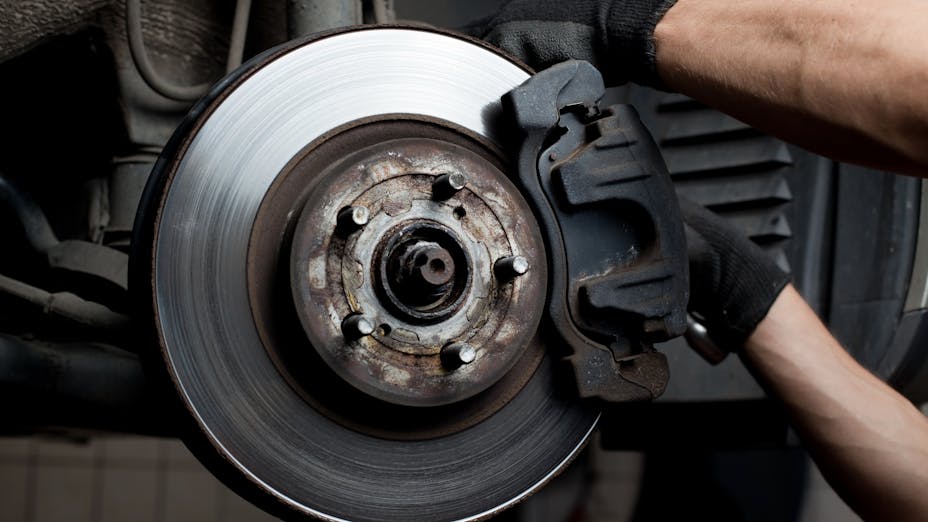
Brake pads are a crucial component of your vehicle’s braking system. Understanding their function and maintenance is essential for safe driving. It’s not just about stopping; it’s about stopping safely.
Brake pads work by creating friction against the rotors, slowing down your wheels. Different types of brake pads exist, each with specific characteristics. Knowing these differences helps you make informed choices. It’s like knowing the difference between a wrench and a screwdriver; both tools, different jobs.
Understanding Brake Pad Types
There are several types of brake pads, each designed for specific driving conditions. Metallic brake pads are known for their durability and stopping power, especially in heavy duty applications. However, they can be noisy and produce more dust.
Ceramic brake pads, conversely, offer quieter operation and less dust. They are generally more expensive but provide smooth, consistent braking. Organic brake pads, made from materials like rubber and carbon, are quieter and less abrasive but wear out faster. It’s a trade off, like most things in life.
Recognizing Signs of Wear
Knowing when to replace your brake pads is vital for safety. Common signs include a squealing or grinding noise when braking. This indicates the wear indicator is contacting the rotor. It’s your car telling you something is wrong.
Another sign is a vibration in the steering wheel or brake pedal when braking. This could indicate warped rotors or severely worn pads. Visually inspecting the pads can also reveal wear; if the pad material is thin, it’s time for a change. Don’t wait until it’s too late.
Maintaining Brake Pads
Proper maintenance extends the life of your brake pads. Regular inspections are crucial. Checking the pads for wear and damage ensures they function correctly. It’s like checking the oil in your car; you wouldn’t skip that, would you?
Keeping the brake components clean and properly lubricated prevents premature wear. Driving habits also play a significant role. Avoiding aggressive braking and sudden stops reduces wear. Smooth, consistent driving is easier on your brakes.
Choosing the Right Brake Pads
Selecting the right brake pads depends on your vehicle and driving habits. Consider the type of driving you do most often. If you frequently drive in heavy traffic or tow heavy loads, metallic or ceramic pads might be the best choice.
For everyday driving, ceramic or organic pads can offer a comfortable and quiet experience. Researching and comparing different brands and materials helps you make an informed decision. Don’t just grab the first box you see.
Installation and Replacement
Installing brake pads can be a DIY project for those with basic mechanical skills. However, if you are unsure, it’s always best to seek professional help. Incorrect installation can lead to serious safety issues. You don’t want to learn this the hard way.
Regular replacement is essential for maintaining braking performance. Following the manufacturer’s recommendations and monitoring wear ensures your brakes function optimally. It’s a small price to pay for safety.
At NRS Brakes, we understand the importance of reliable braking. That’s why we focus on producing quality brake pads that meet the highest standards. We believe in providing products that ensure safety and longevity. With our innovative technology and commitment to excellence, we strive to be the best choice for your braking needs. Visit our website at https://nrsbrakes.com/ to explore our range of products and find the Best Brake Pads for your vehicle. We are dedicated to providing products that keep you safe on the road.