The Art and Science of Automotive Evolution
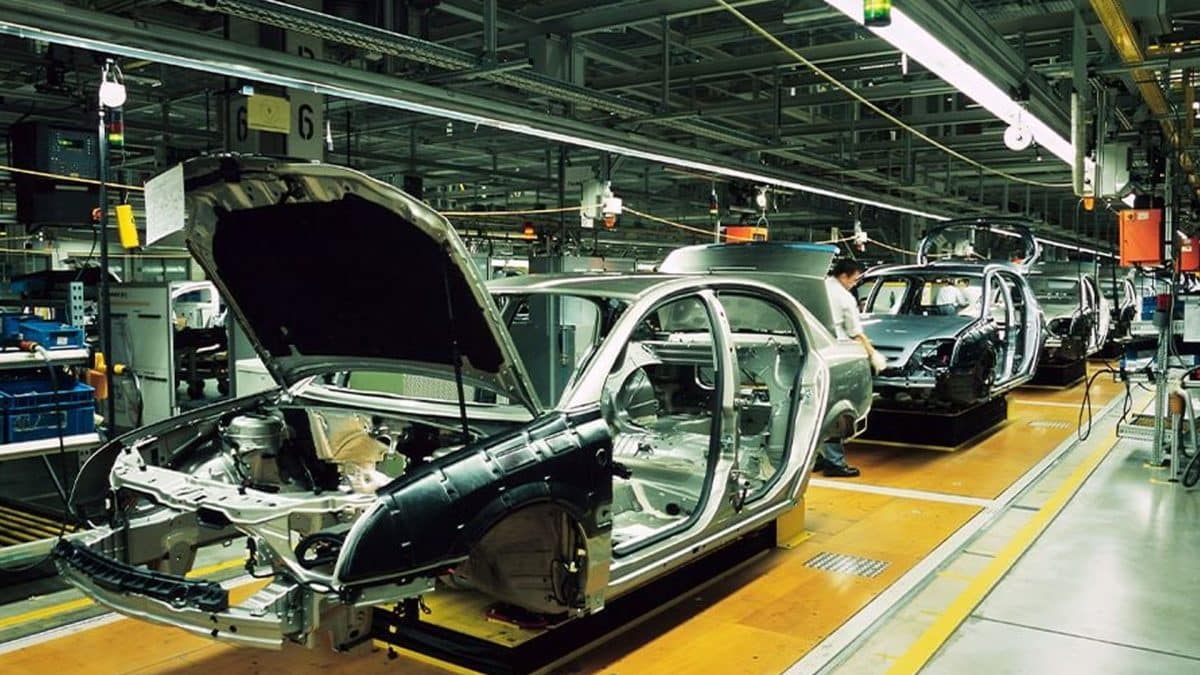
A Journey Through Time
The automotive industry, a bastion of innovation, has continuously evolved since its inception. From the primitive horseless carriages of the late 19th century to the sleek, autonomous vehicles of today, the transformation is nothing short of remarkable. This journey through time showcases how technological advancements have redefined the way we perceive and interact with our vehicles.
The Heartbeat of Performance: Engine Innovation
At the core of automotive evolution lies the engine. Early models relied on steam and crude combustion engines, producing minimal power and efficiency. As engineering expertise expanded, so did the capabilities of these powerhouses. The introduction of turbocharging, direct fuel injection, and hybrid systems has revolutionized engine performance. Modern engines are now smaller, more powerful, and significantly more efficient, embodying the perfect balance of power and economy.
Aesthetics and Functionality: The Role of Design
Design has always played a pivotal role in the automotive world. The fusion of aesthetics and functionality has led to some of the most iconic vehicles ever made. From the curvaceous lines of the 1950s sports cars to the angular precision of contemporary designs, each era has its distinct style. A critical aspect of this design evolution is wheel design. Wheels, once simple and utilitarian, have transformed into intricate works of art that enhance both the look and performance of a vehicle. Advanced materials and aerodynamics have allowed for wheels that are not only visually striking but also contribute to fuel efficiency and handling dynamics.
Technological Integration: The Digital Revolution
The digital age has ushered in a new era of automotive technology. Infotainment systems, advanced driver-assistance systems (ADAS), and autonomous driving capabilities have become standard features in modern vehicles. These technologies not only enhance the driving experience but also improve safety and convenience. Real-time navigation, connectivity with smart devices, and sophisticated safety features like lane-keeping assist and adaptive cruise control are just a few examples of how digital integration is reshaping the automotive landscape.
Sustainability: The Future of Mobility
Sustainability has become a driving force behind modern automotive innovation. The shift towards electric vehicles (EVs) and hydrogen fuel cell technology represents a significant leap towards reducing carbon emissions and dependence on fossil fuels. Companies are investing heavily in developing EVs with longer ranges, faster charging times, and more affordable price points. Additionally, the use of sustainable materials in manufacturing processes is becoming increasingly prevalent, further underscoring the industry’s commitment to environmental stewardship.
Conclusion
The automotive industry is a testament to human ingenuity and the relentless pursuit of progress. From the refinement of wheel design to the integration of cutting-edge technology, every aspect of a vehicle’s development is a blend of art and science. As we look to the future, the focus on sustainability and innovation promises to drive the next wave of transformative changes, ensuring that the journey of automotive evolution continues unabated. For more insights and updates, visit pafiungaran.org.