The Evolving Landscape of Automotive Innovation
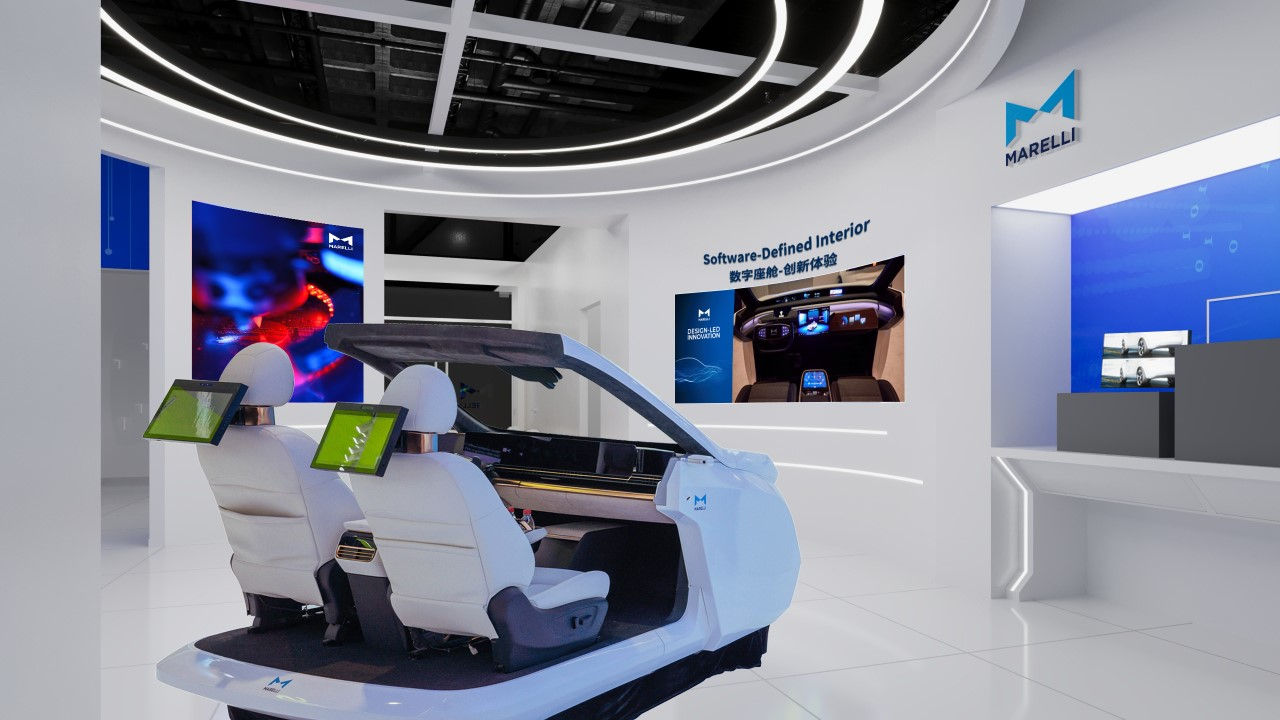
Embracing Technological Advancements
The automotive industry is at the forefront of technological advancements, continually pushing the boundaries to create vehicles that are smarter, safer, and more efficient. From autonomous driving capabilities to sophisticated infotainment systems, the innovations in this sector are transforming the way we perceive and interact with our vehicles.
Achieving a Healthy Balance in Design
Designing modern vehicles involves achieving a healthy balance between aesthetics, functionality, and sustainability. Aerodynamic shapes, lightweight materials, and energy-efficient powertrains are at the core of contemporary automotive design. Engineers and designers collaborate to ensure that vehicles are not only visually appealing but also fuel-efficient and environmentally friendly. This balanced approach is critical in meeting the demands of today’s conscientious consumers.
Safety Innovations
Safety remains a paramount concern in the automotive industry. Advanced Driver Assistance Systems (ADAS) have significantly enhanced vehicle safety, incorporating features such as adaptive cruise control, automatic emergency braking, and lane-keeping assist. These systems rely on a network of sensors and cameras to monitor the vehicle’s surroundings, providing real-time data that helps prevent accidents and protect occupants.
The Role of Connectivity
Connectivity is revolutionizing the driving experience, making vehicles more integrated with digital technologies. Modern cars are equipped with advanced infotainment systems that offer navigation, real-time traffic updates, and seamless smartphone integration. This connectivity enhances the driving experience, providing convenience and ensuring drivers remain informed and connected on the go.
Sustainable Mobility Solutions
Sustainability is a driving force behind current automotive innovations. Electric vehicles (EVs) and hybrid models are becoming increasingly prevalent, offering eco-friendly alternatives to traditional gasoline-powered cars. Advances in battery technology and the expansion of charging infrastructure are making EVs more accessible and practical for everyday use. This shift towards sustainable mobility is essential in reducing the automotive industry’s carbon footprint and promoting environmental responsibility.
Conclusion
The automotive industry is constantly evolving, driven by a commitment to innovation, safety, and sustainability. By striking a healthy balance between these elements, modern vehicles are becoming more efficient, safer, and environmentally friendly. For more insights and updates on the latest automotive trends, visit pafikotasumedangutara.org.
As the industry progresses, the integration of cutting-edge technology and sustainable practices will continue to shape the future of transportation. Embracing these advancements ensures a better driving experience and a positive impact on the environment, paving the way for a more sustainable and connected world.